This presentation will explore “Play” in its various manifestations that cohere around creating Sacred Space for Individuation to happen.
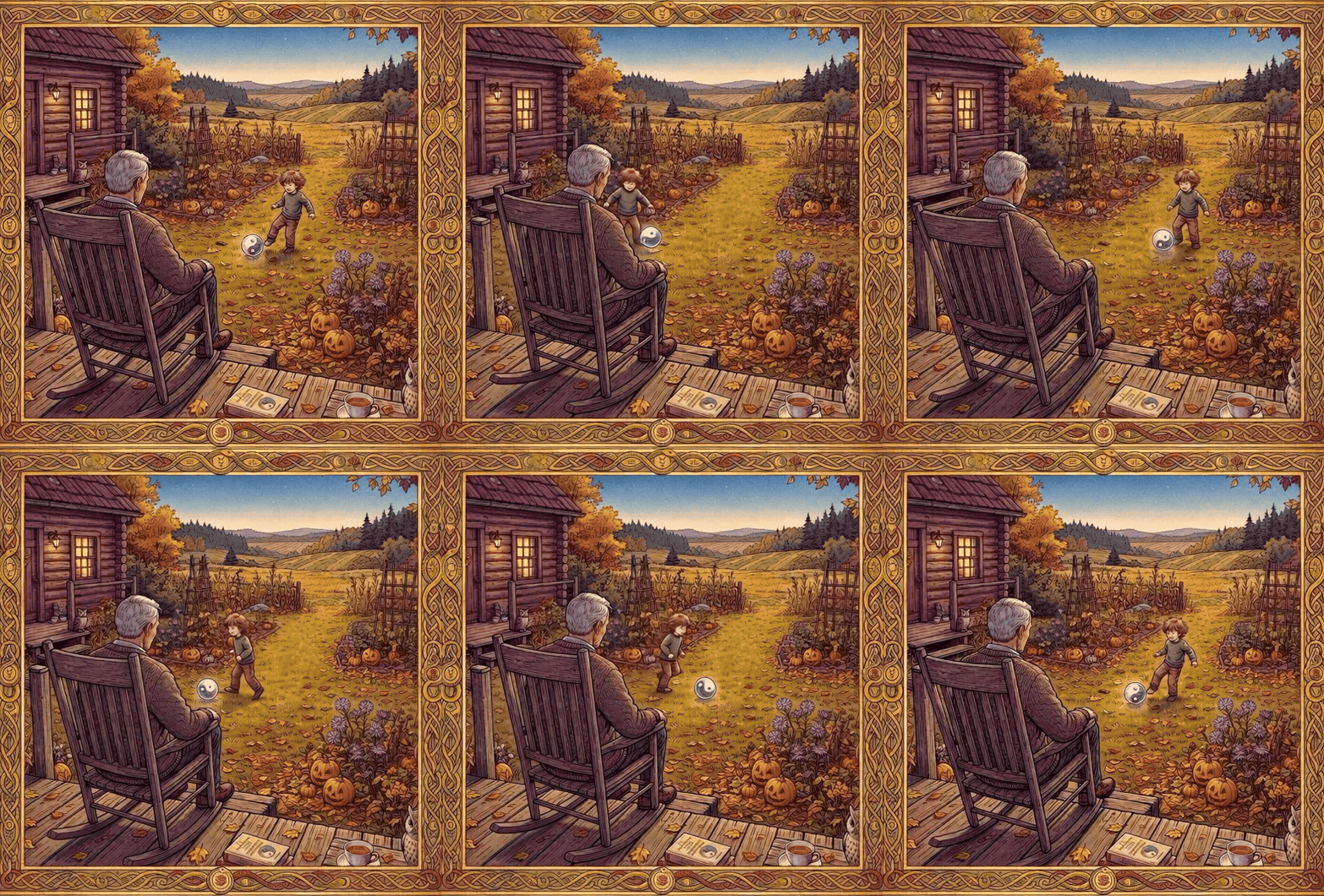
At mid-life, Jung suffered a descent into the unconscious. Swirling in that chaos, Jung surrendered to his internal guiding forces and found himself playing like a child because his inner child possessed a creative life which the adult Jung lacked. His inner child taught Jung how to play, and from that playing, his future theories on Individuation and the Self began to take shape.
Jung discovered that the creation of something new is not accomplished by the intellect, but by the play instinct acting from inner necessity. The call to individuation is a call from the Self to play with its invisible unknowns. This is why Jung chose the archetype of the Child as the image of individuation, whose most important feature is futurity — that is, its orientation toward the not-yet: the Child embodies potential and becoming, the seed of a future Wholeness always about to unfold.
Jung also posited that the play instinct adhered closely to his notion of the Transcendent Function as a vital, creative engine that bridges conscious and unconscious opposites. He understood playful fantasy as the spontaneous psychic organ through which the psyche generates uniting symbols. This understanding is bolstered by James Hillman’s idea that play is the natural, uncalculated expression of the Soul and imagination, free from the rigid demands of literal reality. The Soul naturally imagines and plays, operating in a realm of metaphor rather than literal facts. Indeed, metaphor and poetry are words at play.
In this presentation, we will explore the images of Play that invite and inspire movement towards Wholeness. We will do this by unfolding the various (dis)plays of the Child archetype: Creativity, Imagination, Exploration, Curiosity, Adventure.
Psychological and visionary literature will fruitfully contribute to our discussion. From mythology we will examine the Christian God and the Greek pantheon (especially the ‘child’ gods [Hermes and Dionysus]) who play with us, and how individuation urges us to become conscious of these psychic beings. Fairytales often depict the overcoming of challenges with symbols of play. From an eco-psychological perspective, we will probe the notion of ‘Nature at Play’. We will also search into the archetypal structures that surround our past and present games and sports.
Ultimately, our purpose is for us as Participant Player to tap into each’s Authentic Self by discovering the images with which our creative mind loves to play. Let’s Play!~