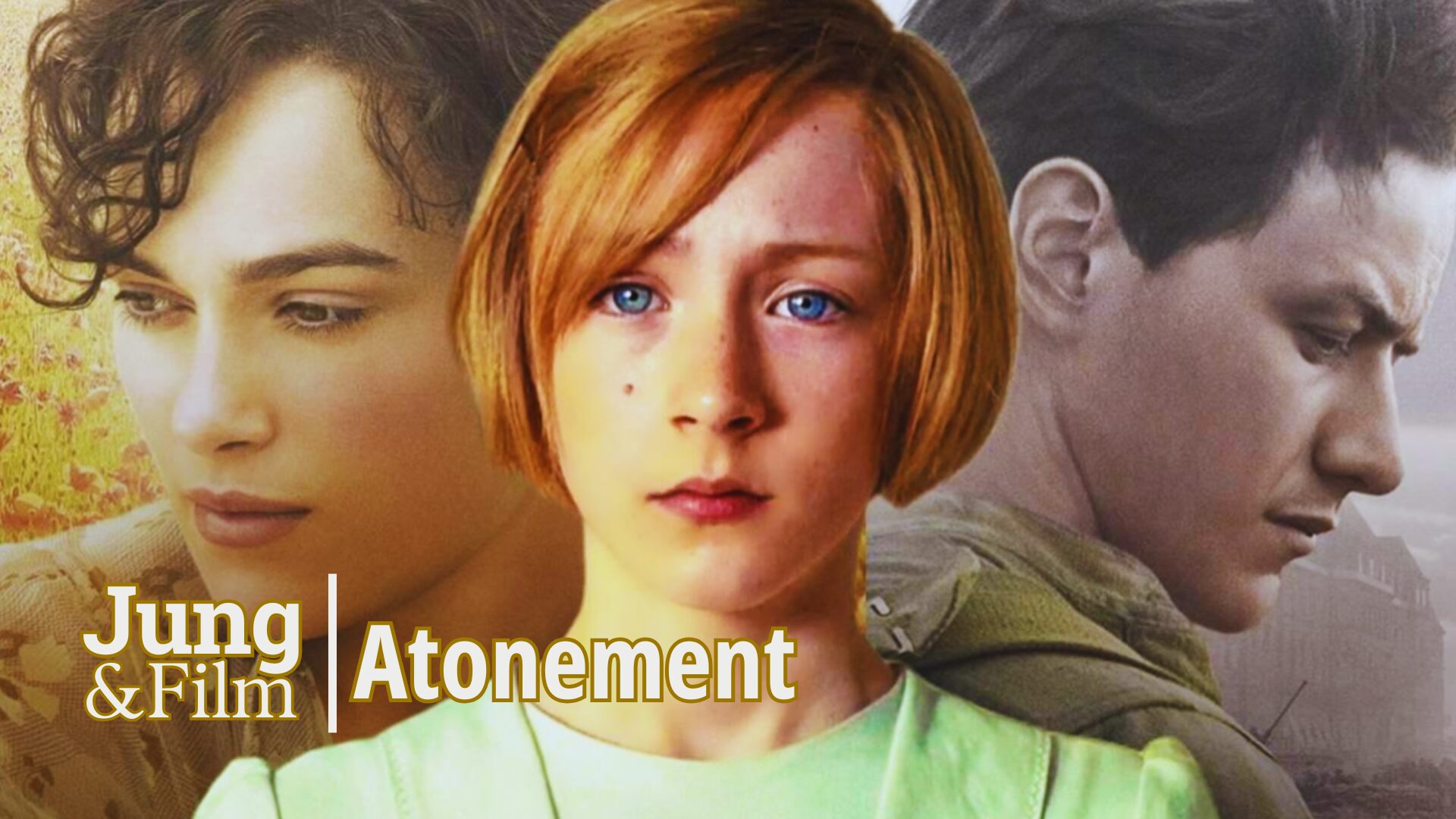
Atonement (2007, run time 2hrs 3min), starring Saoirse Ronan, Kiera Knightley, James McAvoy and Vanessa Redgrave, is based on an Ian McEwan novel by the same name. The film tells the story of a woman writer, crushed by guilt over a harmful action committed in her youth – an act of youthful foolishness amplified by sexual immaturity – and the tragic consequences of a young teenage girl’s irreversible mistake.
A budding relationship between Cecelia and Robbie is shattered when teenaged Briony misinterprets an intimate encounter between the two lovers and falsely accuses Robbie of a brutal crime. Atonement portrays the difficult psychic work of resolving internal splits, paying the debt of guilt, and restoring wholeness, which in this case seems impossible.
Briony’s is a tragic error on the part of someone who is almost, but not entirely, too young to know what she is doing. It is an error that radically alters the destinies of three people: it is not exactly accidental, not entirely comprehensible, and an enigmatic action that remains hard to justify.
As an adult, Briony attempts to confront the terrible truths about herself by writing an autobiographical novel, and asks if it is morally meaningful enough to enact atonement in her heart – and in her art. This is the final question in the film, as a surprising narrative trick uses the weight of our expectations against us. As the truth about this scene dawns, we question everything that we have seen. Is it enough simply to recognise the terrible mass of wrongdoing, and to imagine what could have been done to put it right, at least partly?
Atonement is a story of the difficulty of owning one’s wrongdoing, bearing one’s regrets and grappling with one’s guilt. Themes of projection, shadow, guilt, imagination, and the dangerous power of symbolic storytelling, permeate the story, providing us with ideal material for a Jungian discussion of the film.
The format of our Jung & Film evenings is that the attendees and facilitators watch the film together on Zoom, followed by a discussion of the film, which includes contributions by facilitators and participants. Before each screening, the facilitators will circulate notes, which discuss and amplify the film.
It is our hope that viewers will become lost in the drama of the film and potentially access aspects of their own experiences and inner life, which they may then choose to share with others during the discussion.