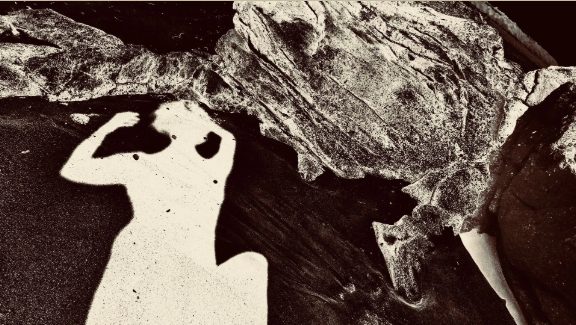
En m’appuyant sur l’œuvre clinique et conceptuelle de Carl Gustav Jung et de Marie-Louise von Franz, je vous proposerai une réflexion approfondie sur les concepts clés de la Psychologie Analytique à partir d’exemples cliniques concrets. Nous explorerons les notions d’Ombre et de mal, leurs modes de manifestation, ainsi que leurs différences fondamentales, notamment dans leur rapport à la créativité et à la destructivité.
L’Ombre, en tant qu’aspect inconscient de la psyché, peut se révéler à la fois une force créatrice et une potentialité destructrice, tandis que le mal soulève des enjeux plus complexes liés à l’éthique et à la responsabilité. Ces distinctions seront éclairées par une multitude d’exemples, qui illustrent ces dynamiques dans le cadre de l’expérience humaine.
Nous examinerons également la position du Moi face à l’Ombre et au mal. Comment la conscience peut-elle accueillir ou repousser ces forces ? Quelles sont les conséquences d’un tel positionnement sur une éthique personnelle et collective ?
Enfin, nous interrogerons la manière dont ces concepts influencent les parcours d’individualisation et d’individuation, ce cheminement vers une intégration plus large de la psyché, et proposerons des pistes pour naviguer entre lumière et ténèbres avec discernement et responsabilité.
Shadow and Evil
Drawing on the clinical and conceptual work of Carl Gustav Jung and Marie-Louise von Franz, I will offer you an in-depth reflection on the key concepts of Analytical Psychology based on concrete clinical examples. We will explore the notions of Shadow and evil, their modes of manifestation, as well as their fundamental differences, particularly in their relationship to creativity and destructiveness.
The Shadow, as an unconscious aspect of the psyche, can prove to be both a creative force and a destructive potential, while evil raises more complex issues related to ethics and responsibility. These distinctions will be informed by a multitude of examples, which illustrate these dynamics in the context of human experience.
We will also examine the position of the Self in the face of Shadow and evil. How can consciousness welcome or repel these forces? What are the consequences of such a positioning on personal and collective ethics?
Finally, we will question the way in which these concepts influence the paths of individualization and individuation, this path towards a broader integration of the psyche, and will propose avenues for navigating between light and darkness with discernment and responsibility.