Wine is a gift of the gods.
According to Euripides, Dionysus gave “the simple gift of wine, the gladness of the grape” to “rich and poor” alike . It is sacred in Judaic rituals; it leads to an ecstasy that is exclusive to the experience of Allah; and it is the blood of Christ. Alchemists associated wine with aqua permanens, and the grapes were considered to be the raw matter of the Stone. But why has wine gained such a central significance across religions and alchemy?
To answer this question, we will approach the steps of winemaking as if they were images from an alchemical textbook. As Paracelsus wrote, “An alchemist is the baker when he bakes bread, the viniculturist when he makes wine.” Through this lens, winemaking becomes a striking metaphor and guide to the coniunctio.
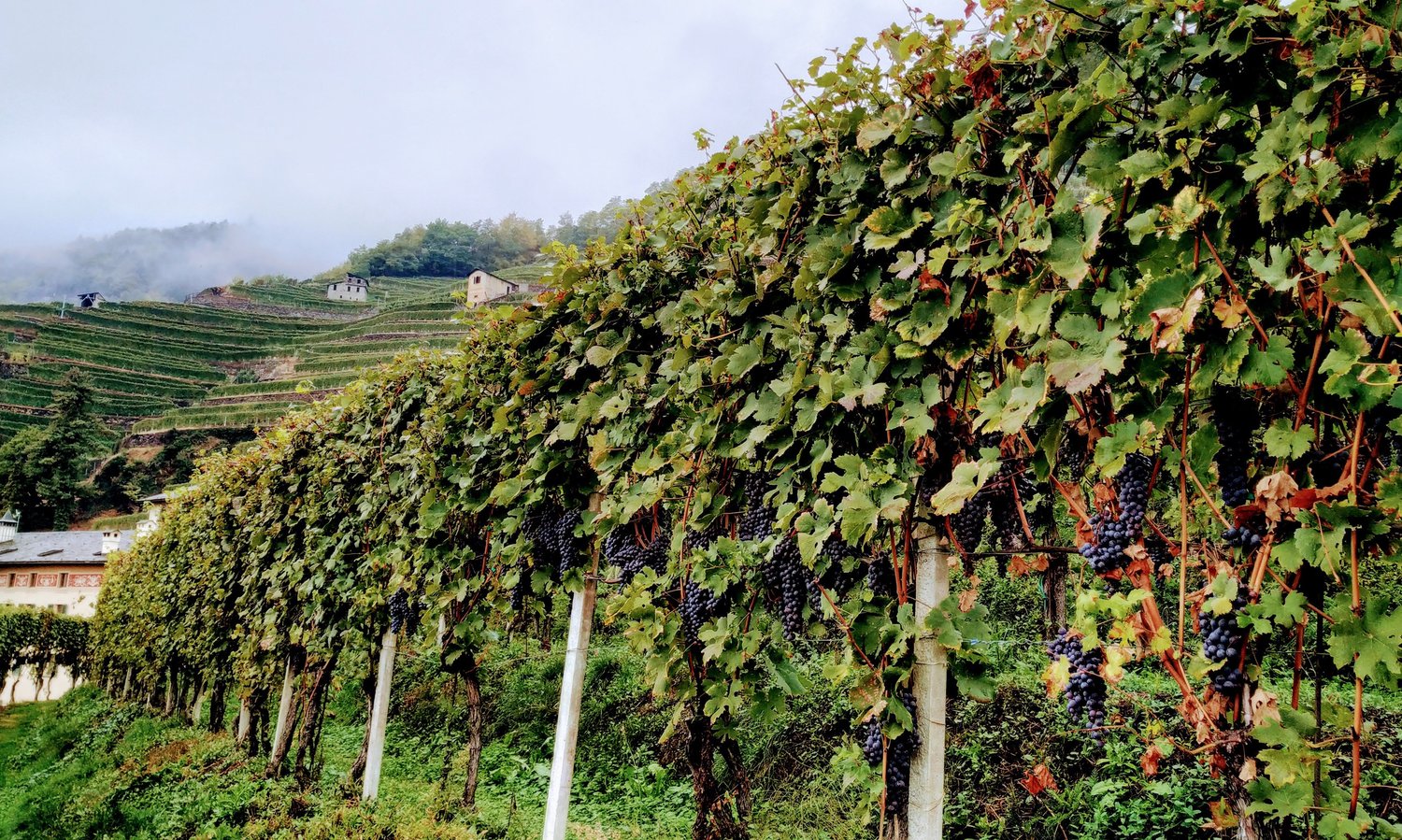
We will look at how the grapevine must be treated in the vineyard, so that it can concentrate the uniqueness of the terroir into the grape; how the grapes have to be crushed to obtain their essence; and how the winemaker has to safeguard the fermentation and aging processes, so this essence can gain a lasting, transcendental form. We will explore these steps through various myths and religious motifs, and also by considering the everyday details of making wine and their psychological interpretation.