
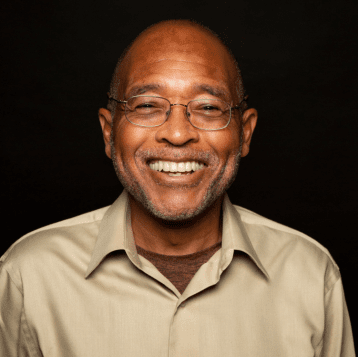
“I woke up alternately cursing and blessing Campbell,” Ford notes. “Cursing him because he should have presented African mythology in a much more welcoming light than he did but his racism blinded him, and blessing Campbell because his failure to do so provided a wonderful opportunity for me.”
But Ford’s work on African mythology held a deeper importance for him. It was not just a scholarly exercise. It was a deeply personal journey. Trained as a psychotherapist, Ford was keenly aware that the stories, the myths, that clients tell were clues to where they were in terms of personal healing. Working since his youth as an activist and advocate for racial justice, Ford thought that mythology in general, and African mythology in particular, might also prove useful in social healing, particularly healing the self-inflicted wounds of African Americans long-subjected to racism and discrimination in America.
So, Ford asked his friends and colleagues in academia a simple question. “What were the myths that African societies told themselves to account for the horrors of slavery?” Everyone thought it was a great question, but no one had an answer. Ultimately, Ford found the answers in African myths specifically designed to address slavery. His discoveries completely changed the way he viewed himself and the collective history of being African American, leading to an experience of deep personal healing that allowed him to continue his work on the social healing of racial wounds.
