
“Since the stars have fallen from heaven and our highest symbols have paled, a secret life holds sway in the unconscious. That is why we have a psychology today, and why we speak of the unconscious”
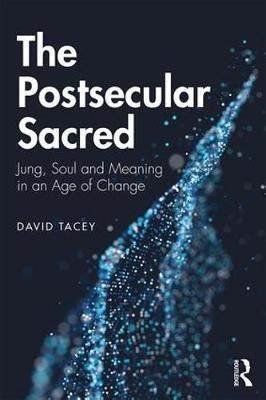
Tonight’s talk is drawn from David Tacey’s most recent book, The Postsecular Sacred: Jung, Soul and Meaning in an Age of Change. This book is a psychological addition to the continuing international debate about the postsecular condition.
By ‘postsecular’, we mean that secular societies across the world are asking questions about the sufficiency of secularism and whether it needs to be changed by introducing a religious and/or spiritual dimension. The postsecular debate has so far been shaped by European and American sociology, philosophy and religious studies. David’s book is the first to contribute a Jungian perspective to the debate.
Jung believed that the psyche has never been secular, and the invention of a secular world is a product of the Western ego and its limited perspective. David introduces the logic of the unconscious to explain why secularism has been felt to be insufficient. If the rational ego creates and manufactures a social structure and worldview, then something is going to be missing from the picture.
However, while the desire to connect with a greater reality is returning to secular societies, this does not mean we will regress to old religious beliefs or superstitions that science has rejected. Postsecular does not mean or imply a return to the presecular.