
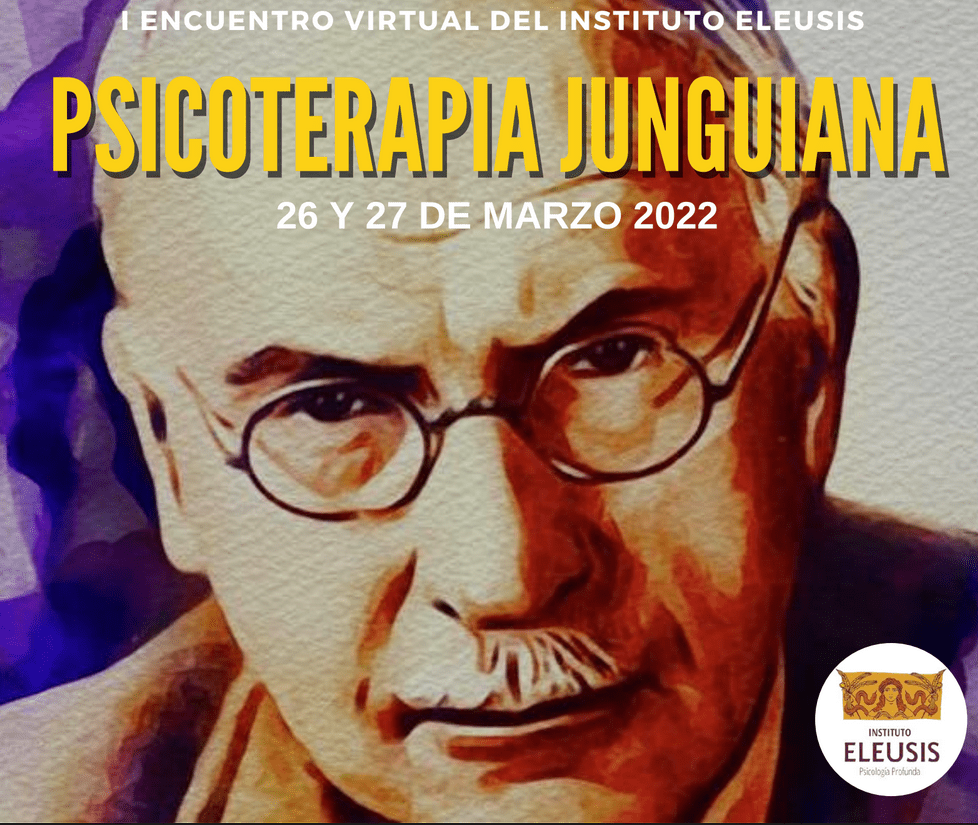
La “Psicología Analítica” o “Psicología Compleja” fue creada por el reconocido médico psiquiatra Dr. Carl Gustav Jung (1875-1961). Jung inició sus estudios sobre la histeria, la “dementia praecox” (esquizofrenia), las neurosis y los denominados “Complejos sentimentalmente asentuados”, años antes de su contacto con Sigmund Freud, teniendo una amplia práctica clínica psiquiátrica con el reconocido Dr. Eugene Breuler en el Hospital Universitario de Burghölzli, Suiza.
A raíz del encuentro con Freud y Jung, entre los años 1906-1913, desarrollará aún mucho más sus intereses por la comprensión de la psique humana. El encuentro inyectó en ambos una gran energía para el desarrollo del psicoanálisis; sin embargo, las diferencias entre ambos estuvieron presentes desde el inicio, y fueron la causa de su posterior ruptura. A raíz del contacto y separación de Freud, Jung desarrolla su propia propuesta de psicología profunda, la que se orienta como una vía para contribuir a la estructuración del yo y resolución de los “complejos primarios” (Materno, Paterno, Fraterno), la confrontación y diferenciación de la Consciencia Colectiva y el Inconsciente Colectivo, el tratamiento de las dificultades psicológicas y trastornos mentales (con énfasis en la Psicosis), el auto-conocimiento profundo, el contacto con los contenidos simbólicos (sueños, imágenes inconscientes) y el desarrollo de la personalidad (Proceso de Individuación), tal como se presentaba el Psicoanálisis de su época.
Jung fue mucho más allá de Freud, pues no sólo desarrolló un enfoque de comprensión y tratamiento de las neurosis, sino, además una vía para la Transformación e Individuación a través del conocimiento profundo de sí mismo y la exploración de los denominados “Complejos”, y los contenidos simbólicos del Inconsciente Personal y Colectivo. Desde el inicio, Jung criticó el psicoanálisis freudiano, sin perder de vista los
valiosos aportes de su creador. Entre ellos resaltan la crítica al pansexualismo, la mirada mecanicista y reduccionista, la valoración positiva del Inconsciente y la necesidad de una comprensión fenomenológica hermenéutica de los contenidos simbólicos.
El enfoque Junguiano estableció puntos importantes de diálogo entre Medicina, Psiquiatría, Psicología Experimental y Ciencias de la Conducta, con el Psicoanálisis, la Fenomenología Hermenéutica, la Filosofía, la Antropología, las Religiones Orientales, la Mitología, etc.; defendiendo siempre que la Psicología debía ser un puente entre las Ciencias Naturales y Ciencias Humanas.
La Psicología Analítica es una escuela de Psicoterapia y Análisis que se basa principalmente en un estilo dialogal persona-persona, que incluye el abordaje de los contenidos conscientes (emocionales, cognitivos y conductuales) del paciente, así como la exploración y amplificación de los contenidos producidos por el inconsciente (síntomas, sueños, imágenes y símbolos) a través de diversos recursos y técnicas expresivas como la Imaginación Activa, el Análisis de Sueños, el uso clínico de Mitos y Cuentos, el Arte, el Psicodrama, la Caja de Arena (Sandtray), el Movimiento Auténtico, etc.
El fin de la Psicología Analítica no es únicamente la sanación individual, sino que busca sobre todo contribuir a desarrollar la consciencia y transformación de las personas, haciendo énfasis en la propia identidad y el sentido vital.
A Jung debemos la “ampliación de la comprensión de la Psicología hacia una validación de la realidad psíquica del consultante; durante toda su vida ejerció una fuerte lucha por la superación del problema fundamental de este campo: “Una Psicología reduccionista, cientificista, mecanicista basada en el dualismo cuerpo-alma”, llamada por él “una psicología sin alma”, que bien podría haberse llamado “neurofisiología”. También la creación de conceptos como: “Complejos”, “Realidad Psíquica”, “Vida Simbólica”, “Energía Vital”, “Proceso de Individuación”, “Introvertido”, “Extravertido”, “Sombra”, “Ánima”, “Ánimus”, “Sincronicidad” e “Integración de Opuestos”.
SÁBADO
09h00 – 10h30 | ENRIQUE GALÁN De la Persona al Sí-mismo
11h00 – 12h30 | MARÍA MORA LA DIFICULTAD PARA CONTENER LAS EMOCIONES: EL SIMBOLISMO DEL CALDERO MÁGICO.
14h00 – 15h30 | CARLES VENTURA LAS CRISIS PROFUNDAS DEL ALMA, LA NIGREDO Y LA PSICOLOGÍA ANALÍTICA
16h00 – 17h30 | JUAN CARLOS ALONSO EL TRABAJO CON LA SOMBRA EN LA PSICOLOGÍA ANALÍTICA JUNGUIANA
18h00 – 19h00 | FERNANDA BOLLI USO DE RECURSOS EXPRESIVOS PARA LA AMPLIFICACIÓN DE CONTENIDOS INCONSCIENTE EN EL PROCESO ANALÍTICO
19h00 – 20h00 | JULIANA BERNARDO EL ANÁLISIS DE LOS SUEÑOS EN EL PROCESO ANALÍTICO
20h30 – 21h30 | GABRIEL ALCALÁ EL ABORDAJE DE LAS ADICCIONES DESDE LA PSICOLOGÍA ANALÍTICA
DOMINGO
09h00 – 10h30 | RICARDO CARRETERO LA PSICOTERAPIA JUNGUIANA EN EL MUNDO ACTUAL
11h00 – 12h30 | MALKA GONZALEZ VINCULOS, AMOR Y PÉRDIDA DE EROS EN EL MUNDO ACTUAL
14h00 – 15h30 | JEANETTE HAMUI ABORDAJE TERAPÉUTICO DE LOS TRASTORNOS DE ALIMENTACIÓN DESDE LA PSICOLOGÍA ANALÍTICA
16h00 – 17h30 | ROBERTO VECCO LOS 3 PILARES DE LA PSICOTERAPIA JUNGUIANA: PSIQUE – SÍMBOLO – COMPLEJO
18h00 – 19h00 | DIANA ARIAS LA FUNCIÓN INCUBATORIA DE LA PSIQUE EN LOS PROCESOS CLÍNICOS
19h00 – 20h00 | LILIAN POBLETE COMPRENSIÓN Y ABORDAJE DE LA DEPRESIÓN DESDE LA PSICOLOGÍA ANALÍTICA
20h30 – 21h30 | DAVID GALEANO ALQUIMIA Y CREATIVIDAD. LA RELACIÓN CON LO INCONSCIENTE EN LA TRANSFORMACIÓN PSÍQUICA Y EL PROCESO DE INDIVIDUACIÓN
– – – – – – – – – – – – – – – – – – – – – – – – – – – – – – – – – – – – – – – – – – – – – – – – – – –
“Analytical Psychology” or “Complex Psychology” was created by the renowned psychiatric physician Dr. Carl Gustav Jung (1875-1961). Jung began his studies on hysteria, “dementia praecox” (schizophrenia), neurosis and the so-called “settled sentimental complexes”, years before his contact with Sigmund Freud, having an extensive psychiatric clinical practice with the renowned Dr. Eugene Breuler at the Burghölzli University Hospital, Switzerland.
As a result of the encounter with Freud and Jung, between the years 1906-1913, he will further develop his interests in understanding the human psyche. The meeting injected in both a great energy for the development of psychoanalysis; however, the differences between the two were present from the beginning, and were the cause of their subsequent breakup. As a result of the contact and separation from Freud, Jung develops his own proposal of deep psychology, which is oriented as a way to contribute to the structuring of the self and resolution of the “primary complexes” (Maternal, Paternal, Fraternal), the confrontation and differentiation of the Collective Consciousness and the Collective Unconscious, the treatment of psychological difficulties and mental disorders (with emphasis on Psychosis), deep self-knowledge, contact with symbolic contents (dreams, unconscious images) and the development of personality (Individuation Process), as presented by the Psychoanalysis of his time.
Jung went far beyond Freud, since he not only developed an approach to understanding and treating neuroses, but also a path for Transformation and Individuation through deep self-knowledge and the exploration of the so-called “Complexes”. and the symbolic contents of the Personal and Collective Unconscious. From the beginning, Jung criticized Freudian psychoanalysis, without losing sight of the valuable contributions of its creator. Among them, the criticism of pansexualism, the mechanistic and reductionist view, the positive assessment of the Unconscious and the need for a hermeneutic phenomenological understanding of symbolic contents stand out.
The Jungian approach established important points of dialogue between Medicine, Psychiatry, Experimental Psychology and Behavioral Sciences, with Psychoanalysis, Hermeneutic Phenomenology, Philosophy, Anthropology, Eastern Religions, Mythology, etc.; always defending that Psychology should be a bridge between Natural Sciences and Human Sciences.
SATURDAY
9:00 a.m. – 10:30 a.m. | FROM THE PERSONA TO THE SELF
11:00 a.m. – 12:30 p.m. | THE DIFFICULTY IN CONTAINING EMOTIONS: THE SYMBOLISM OF THE MAGICAL CAULDRON
2:00 p.m. – 3:30 p.m. | THE DEEP CRISES OF THE SOUL, LA NIGREDO AND ANALYTICAL PSYCHOLOGY
4:00 p.m. – 5:30 p.m. | THE WORK WITH THE SHADOW IN JUNGIAN ANALYTICAL PSYCHOLOGY
6:00 p.m. – 7:00 p.m. | USE OF EXPRESSIVE RESOURCES FOR THE AMPLIFICATION OF UNCONSCIOUS CONTENT IN THE ANALYTICAL PROCESS
7:00 p.m. – 8:00 p.m. | THE ANALYSIS OF DREAMS IN THE ANALYTICAL PROCESS
8:30 p.m. – 9:30 p.m. | APPROACHING ADDICTIONS FROM ANALYTICAL PSYCHOLOGY
SUNDAY
9:00 a.m. – 10:30 a.m. | JUNGIAN PSYCHOTHERAPY IN THE CURRENT WORLD
11:00 a.m. – 12:30 p.m. | LINKS, LOVE AND LOSS OF EROS IN THE CURRENT WORLD
2:00 p.m. – 3:30 p.m. | THERAPEUTIC APPROACH TO EATING DISORDERS FROM ANALYTICAL PSYCHOLOGY
4:00 p.m. – 5:30 p.m. | THE 3 PILLARS OF JUNGIAN PSYCHOTHERAPY: PSYCHE – SYMBOL – COMPLEX
6:00 p.m. – 7:00 p.m. | THE INCUBATORY FUNCTION OF THE PSYCHE IN CLINICAL PROCESSES
7:00 p.m. – 8:00 p.m. | UNDERSTANDING AND APPROACHING DEPRESSION FROM ANALYTICAL PSYCHOLOGY
8:30 p.m. – 9:30 p.m. | ALCHEMY AND CREATIVITY. THE RELATIONSHIP WITH THE UNCONSCIOUS IN PSYCHIC TRANSFORMATION AND THE PROCESS OF INDIVIDUATION