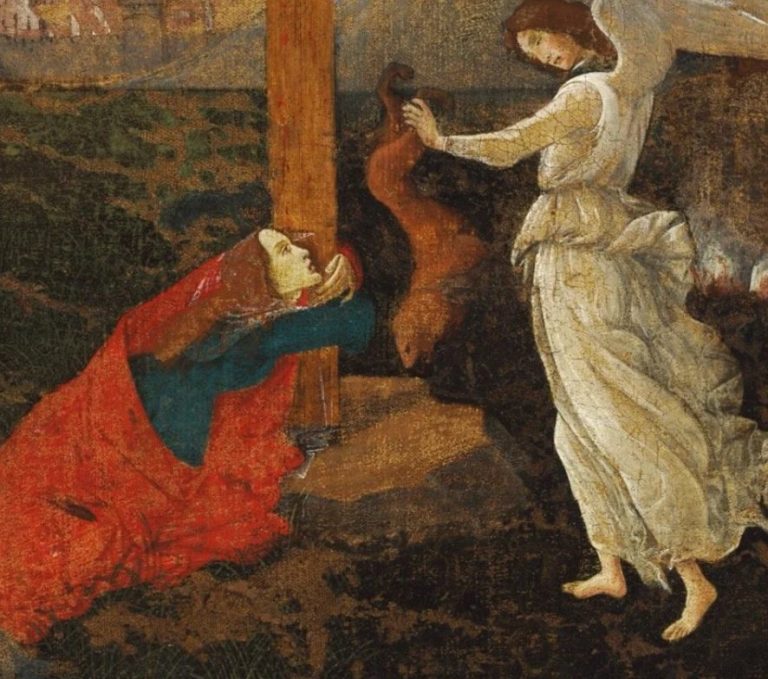
Once miscast as sinner-“prostitute” and later reborn as saint, goddess, lover, and cosmic witness, Mary Magdalene may be the most restless and shape-shifting figure in Western spiritual history.
This course charts the many afterlives of Mary Magdalene as she metamorphosizes through scripture, legend, art, heresy, and modern spiritual imagination, treating her as an archetypal force unto herself. Though honored as a central figure in the canonical Gospels, she was later misidentified and diminished by Church authority, a distortion that paradoxically opened the door for centuries of mythmaking. Her unusual intimacy with Jesus, the emergence of non-canonical texts such as The Gospel of Mary Magdalene, and the mid-twentieth-century discoveries of the Nag Hammadi Library all contributed to alternative visions of the Magdalene: visionary, teacher, priestess, initiatrix, and sacred counterpart.
We will trace how Magdalene lore flowed into medieval Europe, shaping troubadour poetry, Crusader myth, and rumors surrounding the Knights Templar, and how these stories intersected with the violent suppression of the Cathars in southern France. Was Mary Magdalene a cipher for forbidden spiritual knowledge, a vessel for suppressed feminine authority, or a figure through whom older, esoteric Egyptian traditions resurfaced under Christian guise? These questions reverberate into the present, where the Magdalene reappears in psychology, feminist theology, contemporary ritual, and popular culture—reborn again and again as healer, death-guide, queen, and threshold figure.
Structured as an overlapping quartet, these four weeks will explore the following archetypes: Mary the Sinner, Mary the Mother, Mary the Healer, and Mary the Mystic
Rather than seeking to recover a single “true” Magdalene, this course invites participants to dwell in her many incarnations—and to consider why this figure, endlessly dying and rising again, continues to act as a portal for spiritual imagination, renewal, and return.”
Classes will blend short illustrated lectures, guided discussion, and close-looking and interpretive exercises using artworks, sacred texts, folklore, and modern media. Together, we will examine how different historical moments reshaped Mary Magdalene to mirror their deepest anxieties and longings—and what those projections reveal about the cultures that produced them.