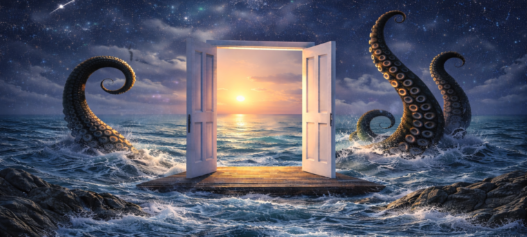
Working with Dreams and Nightmares encourages the participant to become more closer connected with their own individual dream life. The focus of the teaching/learning experience is to create a deeper intimacy with one’s own dreaming state that includes a Jungian therapeutic principle of ego and archetypal connections. These connections include the ability to bring into the dreamwork cultural aspects. Most often we dream of those we know—family, friends, former lovers. Then the archetypal appears in the dream. How do we move with these dream images? It does become a dance of ego and archetype and the movement of integration in service of being in the life, living fully.
Active Imagination gives us the way to explore our dreams. Dreaming is a creative act that invites any number of ways of seeing: Seeing differently. This is what Active Imagination offers the dreamer. Ways to deepen into the unconscious as well as the wake state, to see and act into new ways of being. It is through the dreaming of what we call nightmares that we experience not only fear and anxiety but also deeply emotional ways to remedy this suffering. Nightmares are the bridges to implement change through the connection between the unconscious and ego consciousness. These night dreams are wonderful guides to discovering an understanding to ourselves that we would never otherwise know: Sacred knowledge and the Self.