
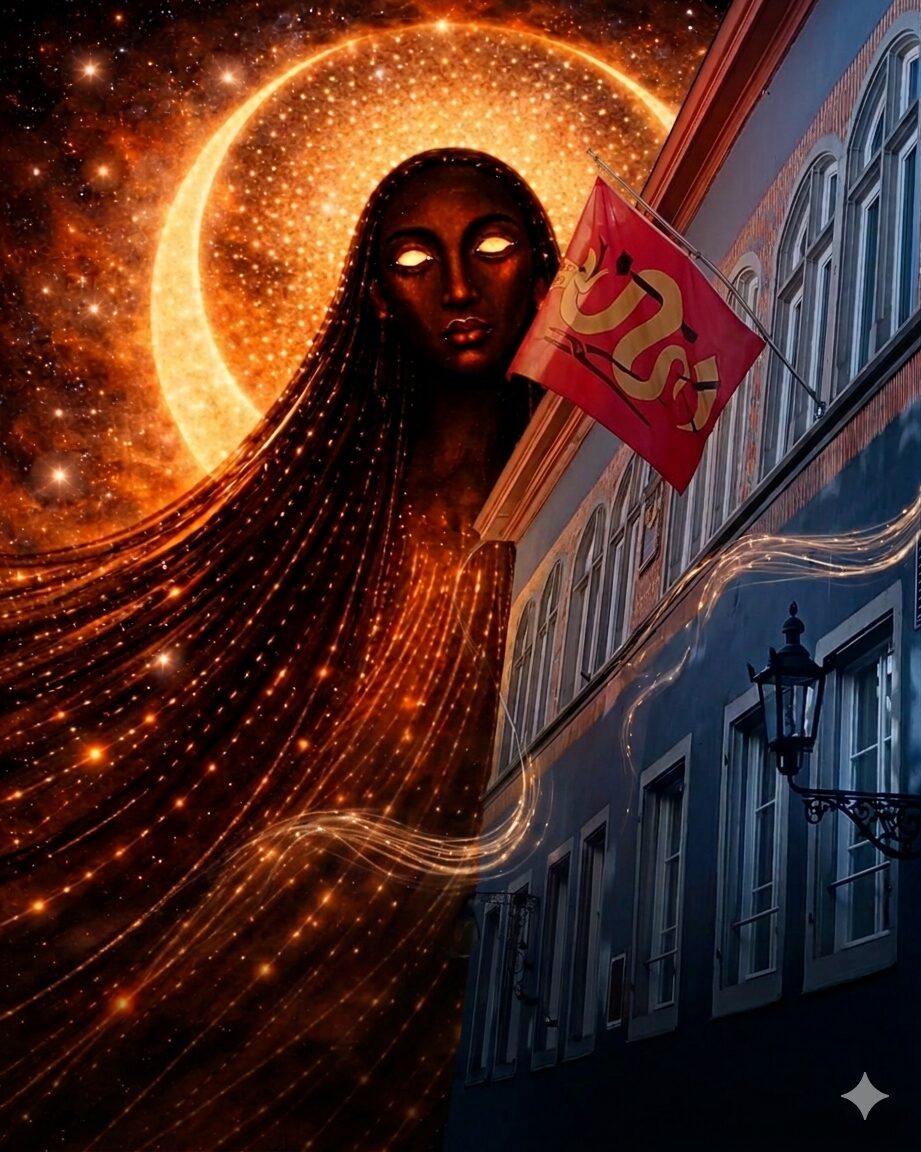
MOITARÁ 2026 — Campos do Jordão, Brazil, November 13–15
Now in its 36th edition, MOITARÁ is the flagship annual conference of the Brazilian Society of Analytical Psychology and one of the largest Jungian gatherings in the world. This year’s theme is both urgent and timeless: How do women challenge their time?
The conference takes as its starting point the women history has tried to erase. Those who were labelled excessive, dangerous, heretical, or simply “too much”, and asks what their stories reveal about the tensions between freedom and belonging, desire and norm, the life we are taught to live and the life that insists on existing. Which women has culture celebrated, and which has it condemned? What happens to a society when a woman refuses the role assigned to her? And, perhaps most uncomfortably: what part of us still fears, or longs, to become one of them?
Over three days, analysts, researchers, and contemporary voices will gather to explore the symbols, myths, and archetypes that have surrounded women throughout history and into the present. The event takes place at a new hotel in Campos do Jordão, São Paulo. Official registration has not yet opened, but a waitlist is available, offering priority access, a promotional launch price, and first-hand information about the new venue. You can sign up via this link.
The Alchemical Mind: Carl Jung, Tibetan Buddhism, and Francisco Varela — Zurich, October 7–10, 2026
ISAPZURICH and Chiron Publications present the 2026 Zurich Lecture Series, featuring Jungian analyst Leslie de Galbert in what promises to be one of the more intellectually ambitious offerings of the Jungian calendar this year.
The Alchemical Mind brings a genuinely fresh perspective to the long-running conversation between Jung and Buddhism by introducing a third voice: Francisco Varela (1946–2001), the Chilean scientist and philosopher whose concept of embodied enactive cognition opened new dialogues between Western neurobiology and Eastern contemplative traditions. Jung was ambivalent about the direct borrowing of Eastern practices by Westerners, believing them too rooted in Cartesian mind-body dualism. Yet, he also maintained that the archetypes of the collective unconscious are universal. De Galbert asks whether this paradox can be resolved, and finds in Varela’s work a potential bridge.
The series runs across four days, opening on Wednesday October 7 with a reception, lecture, and dinner at the Zunfthaus zur Schmiden ,a magnificent guild house in the heart of old Zurich, dating to 1412. Further lectures follow on Thursday October 8 at ISAP, covering autopoiesis and enaction, the relationship between analytical psychology and cognitive science, Buddhist epistemology, and the question of what kind of bridge analytical psychology and enactive cognition might ultimately build together.
Full details and registration are available here.