
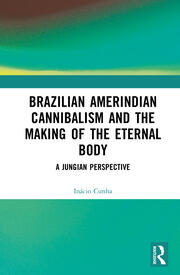
Drawing on extensive research into archaic Amerindian communities, this book presents a revolutionary thesis: Tupinambá cannibalism was not primarily about absorbing the qualities of the consumed enemy, but rather served as a sacred pathway toward constructing an eternal, incorruptible body.
The author meticulously examines how warfare and ritualistic enemy consumption formed the cornerstone of a complex religious system deeply committed to transcending mortality. By reframing cannibalism as an expression of profound spiritual yearning rather than primitive savagery, this work challenges conventional anthropological interpretations and offers fresh insights into the universal human quest for eternity. The analysis reveals how the cultivation of “enmity” and warfare served as vehicles for addressing humanity’s most fundamental existential concerns.
It will be an interesting read for researchers in the fields of Jungian psychology, social psychology, anthropology, and archaic communities.
Table of Contents
Preface
Introduction
Chapter 1. Another Reason to Make War
Chapter 2. “Pugno, Ergo Sum… and Eternally!”
The Tupinambá’s Deaths
Chapter 3. To Live to Avenge (?)
Chapter 4. The Tupinambá’s Animic Dynamics
The Universe of Souls and Spirits
Chapter 5. The Beginning of the Warrior Enterprise
The Function of Alcohol
The Auguries
Communication with Spirits
Commensality as an Archetypal Function of Content Fixation
The Necessary Care When Dealing with the World of the Spirits
The Issue of Ancestors
The Synchronicities
Chapter 6. Death in the Life of the Captive
Sacrificer and Sacrificed
Chapter 7. The Making of the Sacrificial Victim
Initial Stage — From Capture to Integration
Touching the Shoulder
Escorting the Prisoner
The Origins of Cannibalism
Incorporation into the Life of the Sacrificial Village
Tonsure and Depilation
Adornment
Intermediate Stage — From Integration to Execution
The Captive Condition as “Member” of the Enemy Tribe
Cleaning the Grave
The Prisoner’s Wedding
The Paradox of the Enemy’s Total Incorporation into the Tribe’s Life
Chapter 8. Preparations for Ritual Death
Final Stage — From Re-enmization to Execution
The Issue Related to the Good Singers
The Segregation
The First Steps
Chapter 9. The Executioner at the Time of Death
The Killer
Chapter 10. The Immortal Body and the Archetypal Dimension
Chapter 11. Addendum
Issues Concerning Colors
Bibliography
Index