
Who Are The Anna O’s Of Today?
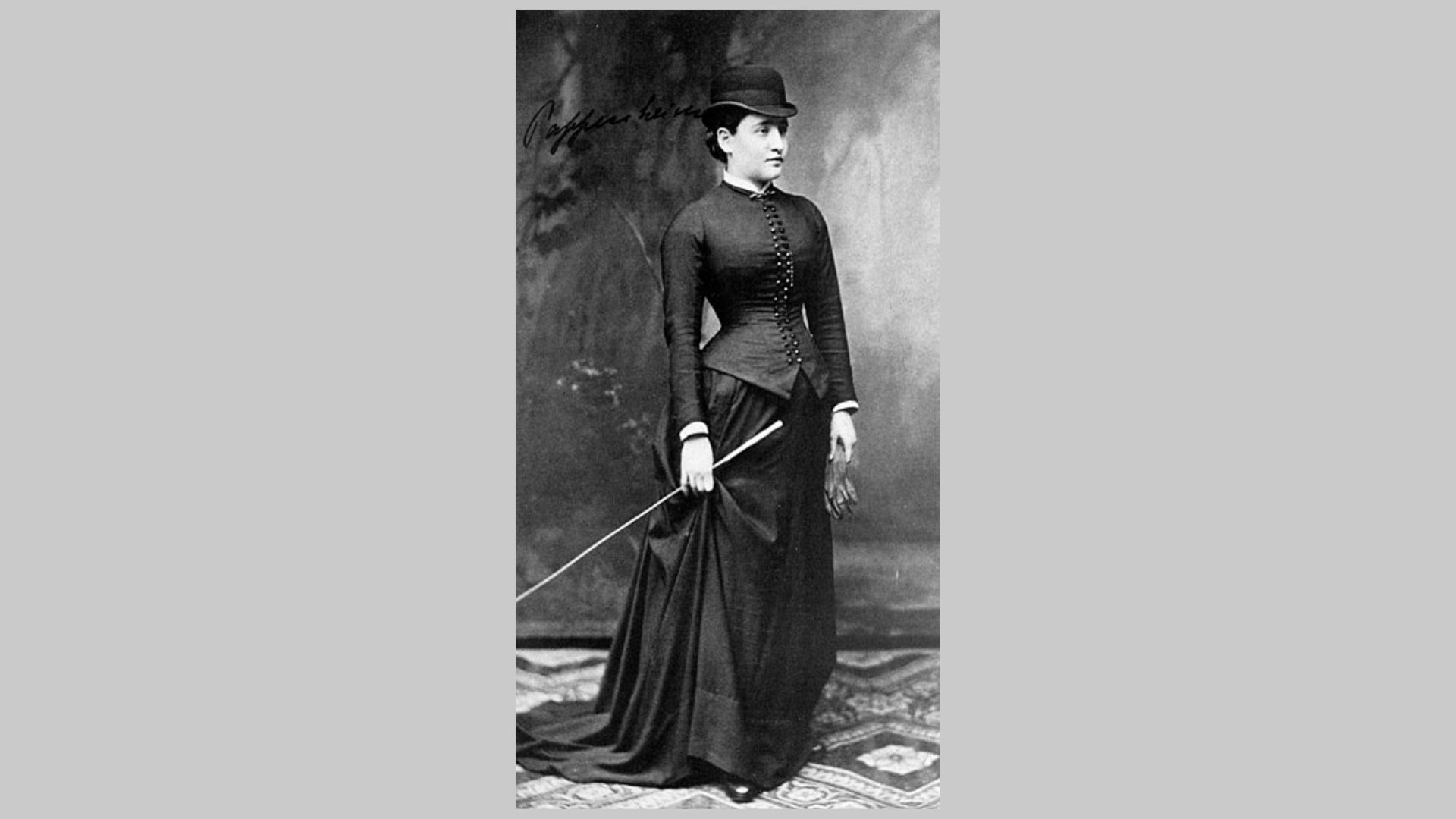
Studies in Hysteria contains the case study that Freud quoted more often than any other of his early work; despite not having treated its subject himself. ‘Anna O’ remains widely seen as part of the ‘origin story’ of psychoanalysis and indeed, its first patient. Anna O, as is also well known, was actually 21-year-old Bertha Pappenheim. Pappenheim was the patient of Josef Breuer, Freud’s mentor and senior, who wrote his account 12 years later at Freud’s request. But Pappenheim’s story was to become and continues to be a contested narrative of appropriation. Much has been written about her real history—indisputably rendering Pappenheim vastly more than the ‘hysteric’ or ‘patient’ that much psychoanalytic literature portrayed her as.
Pappenheim became not only Germany’s first social worker but a leading feminist campaigner fighting what we would now call the sexual trafficking of women. The volume of interest in Pappenheim seems important because she joins a number of contemporary accounts of previously ‘disappeared’ or hidden histories of women, not only of course via psychoanalysis.
However, a psychoanalytical perspective must also be an ethical psychoanalytic perspective. Psychoanalysis should never presume in advance who a patient is, or what their story might be.
Critics of psychoanalysis believe that is precisely what it does—and Anna O’s ‘failed treatment’ and the account itself has often been used as ammunition to attack both Freud and psychoanalysis. A further issue is that Bertha Pappenheim’s story was identifiable, but her permission to publish her story was never sought, a theme which today for the psychoanalytic field provokes ever greater concern and ethical questions as the internet renders confidentiality extremely problematic. This will not be the main theme of the paper but I will allude to it for obvious reasons.
The background to this lecture is that in the UK today young women are better educated than men from primary school to degree level, other than in some STEM subjects. Alongside the possibilities this offers professionally and personally, the birth rate is lower than it has ever been, marriage is declining and often postponed. Many more women choose to live singly and heteronormative, monogamous reproductive expectations of relationships and indeed parenthood are radically different to what they were, even 25 years ago.
This paper asks whether psychoanalytic inheritances still dictate who woman patients are rather than investigating and not knowing. It also asks whether institutional power, training orthodoxies and idealisations of tradition shape what psychoanalysts are able to hear. Does psychoanalysis today make room for women’s diverse subjectivities, identifications, embodiments, relational choices and so on without forcing them into pre-existing stories—old and new?
